self awareness practices
Effective Self Awareness Practices to Improve Your Life
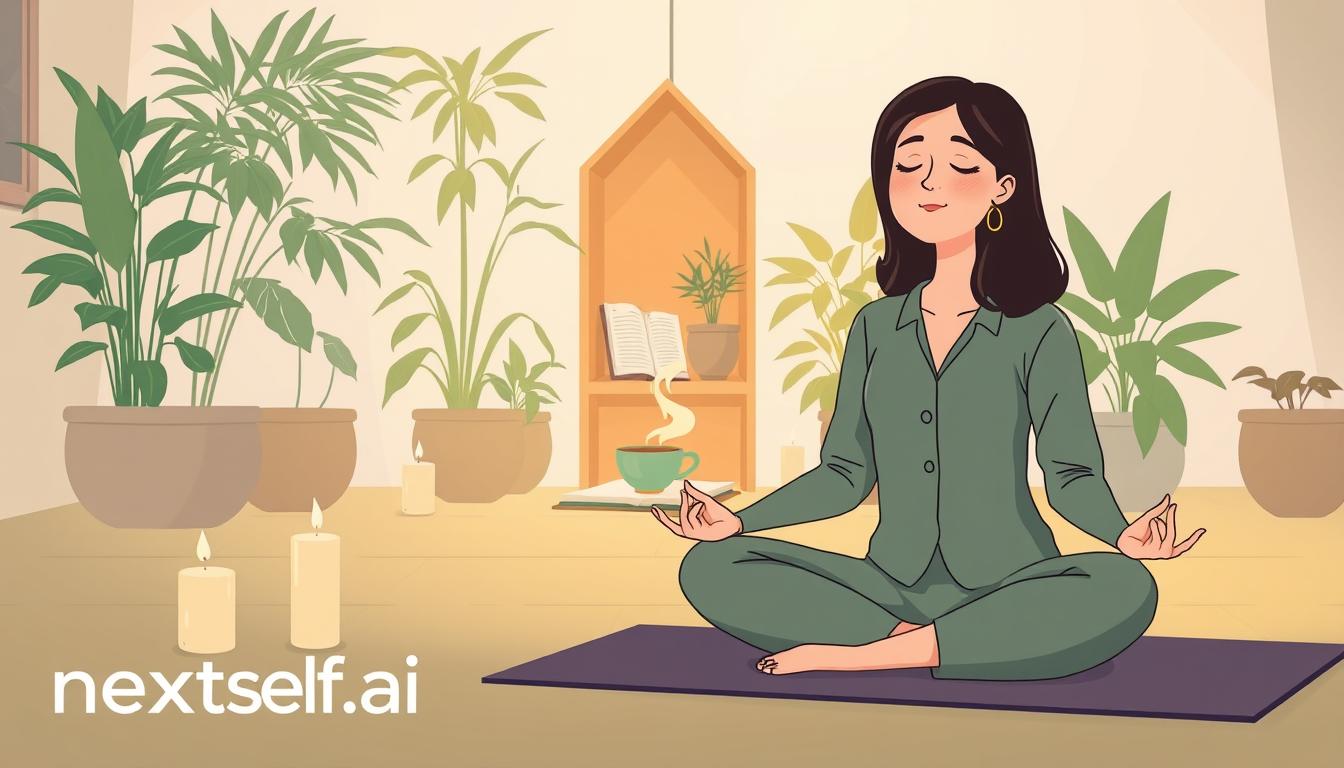
Self awareness practices is key to making better choices, feeling emotionally balanced, and building strong relationships. It also helps in becoming a more effective leader. This introduction shows you how to start improving your self awareness today.
There are many ways to do this, like being mindful, scanning your body, observing your thoughts, and mapping patterns. You can also clarify your values and use short, daily practices to stay focused.
Mindfulness, even in short forms, can greatly improve your life. It works like meditation, as shown by Jon Kabat-Zinn and recent studies. It helps you regulate your feelings and make better choices.
Using mindfulness can calm your emotions and improve your decision-making. It does this by engaging your brain’s thinking part and soothing your emotional center.
NextSelf.ai is known worldwide for its effective self awareness tools. These tools combine science-backed methods with easy-to-use tools for personal growth. The rest of this article will share more self discovery methods and mindfulness activities for work.
It also offers tips to overcome challenges and keep improving your self awareness over time.
Understanding Self Awareness and Its Importance

Self awareness helps us notice our thoughts, feelings, and body signals. It also shows us our values and how we act in relationships. This skill connects our inner world to the outside world.
Defining the skill
- Metacognitive awareness lets us say, “I am noticing anger,” giving us a choice.
- Noticing our body helps us stop automatic reactions and choose better responses.
Key benefits
Self awareness helps with emotions, stress, and making decisions. Naming our feelings can calm us down. Short body scans and mindful pauses also help us relax.
Values guide us in making choices and changing habits. Leaders and therapists who practice self awareness stay focused. They use pattern mapping to change habits.
Role in growth
Self awareness is key for emotional intelligence and growth. Regular practice strengthens our brain, improving how we feel and think.
- Self awareness gives us a clear view of ourselves and lets us change.
- Small, regular practices build lasting changes.
Think of self awareness as a daily practice, not a goal. Small moments of reflection and mindfulness add up, making growth real and achievable.
Practical Self Awareness Practices to Implement
Start with simple routines to make insight a habit. Mix self awareness practices with daily steps. Choose one method, see its impact, then add more as you grow.

Journaling for Reflection
Reflect after meetings or big changes. Spend three minutes on “Mirror Moments” to note feelings and physical signs. At night, list choices that felt right or wrong.
- Prompts: What did I feel today? What made me feel that way? What was important? What can I do better next time?
- Outcome: Writing down thoughts helps clear your mind and shows patterns.
Mindfulness and Meditation Techniques
Use the 5-Second Label Trick to pause and name emotions. Do short body scans to find tension spots.
- Try Thought Stream visualization and use phone alerts 3–5 times daily to pause and observe your mental narrative.
- Practice STOP (Stop, Take a breath, Observe, Proceed) and H.A.L.T. checks to shift perspective during stress.
- Link micro-practices to routine actions; Harvard research shows brief frequent sessions can match longer ones.
Seeking Feedback from Others
Ask for feedback from colleagues, mentors, or coaches. This helps you see things you might miss. Ask questions like, “When I do X, what do you notice about my tone or response?”
- Record both strengths and growth areas in your reflection journal.
- Leaders can map feedback to values and patterns to better align behavior under pressure.
Setting Personal Goals
Turn insights into SMART goals. Start with small practices like three mindful pauses a day or a seven-day nightly reflection habit.
- Short-term: concrete micro-practices tracked for one to two weeks.
- Long-term: build to 10–20 minutes daily or accumulate micro-moments to strengthen self discovery methods.
Use tools and habit stacking to track your progress. Remember, personal growth gets stronger with consistent practice.
Overcoming Challenges in Developing Self Awareness
Getting to know yourself can be great, but it’s not easy. You might find yourself stuck in old habits or think you need a lot of time for mindfulness. Sometimes, you might even feel more anxious at first.
It’s also easy to think you know more than you do. This can make it hard to listen to others’ honest opinions.
Common Obstacles
Start by noticing small things that get in your way. Old habits can hide important signs from your body and mind. Thinking you need a lot of time for mindfulness can stop you from starting.
When you first start looking inside, you might feel a bit uncomfortable. But research shows this is normal.
Techniques for Navigating Self Doubt
There are practical ways to deal with self doubt. Try short pauses or deep breaths to calm down. Use tools like affect labeling or body scans to stay grounded.
See hard truths as data, not as failures. Treat yourself with kindness when you face them.
Building a Support System
Get honest feedback from people you trust. Talk openly at home without trying to fix everything. Leaders can find help from trauma-informed coaching.
Apps like Headspace or Calm offer guided support for those who like using apps.
Maintaining Consistency in Practice
Being consistent is more important than doing a lot at once. Use habit stacking to add mindfulness to your daily routines. Set reminders and celebrate small victories to keep going.
Combine your own efforts with outside help to build a strong foundation for self awareness.